

The early years of a child’s life are a period of unparalleled brain growth and development. From birth to the age of three, a baby’s brain doubles in size and forms connections at an astonishing rate. These formative years set the foundation for cognitive, motor, and emotional skills that last a lifetime. By introducing the right activities and games, you can actively support your infant’s brain development and lay the groundwork for their future learning and growth.
Let’s explore some age-appropriate brain development games for infants that align with their natural developmental milestones.
0-3 Months: Building Connections Through Bonding
In the first three months, babies rely heavily on their senses to explore the world around them. Their vision, hearing, and sense of smell begin to develop, and they start recognizing faces and voices, especially their parents’. At this stage, the focus should be on bonding and helping them become familiar with their environment.
Activities to Try:
- Talk Constantly: Engage in conversations with your baby, even if they can’t respond verbally. This encourages language and listening skills.
- Facial Expressions: Smile, make exaggerated expressions, and let your baby mimic them. This interaction strengthens emotional connections and facial recognition.
- Mirror Time: Show your baby their reflection in the mirror and name their features. This helps with self-recognition and awareness.
- Sing and Rhyme: Sing lullabies or nursery rhymes to provide comfort and stimulate auditory development.
- Introduce Colors and Movement: Hang colorful mobiles or rattles above their crib to engage their visual and motor skills.
- Sensory Exploration During Bath Time: Use soft sponges, bubbles, and fabrics with varying textures to stimulate their sense of touch.
- Read Aloud: Show books with bright pictures and read aloud to help familiarize them with words and patterns.
3-6 Months: Encouraging Exploration
By three months, your baby begins to smile, fuss, and recognize familiar faces. They gain better motor control and start responding to their name. This is an excellent time to introduce more interactive games and activities.
Activities to Try:
- Texture Play: Provide objects with different textures, like silk, wool, or soft toys, to explore through touch.
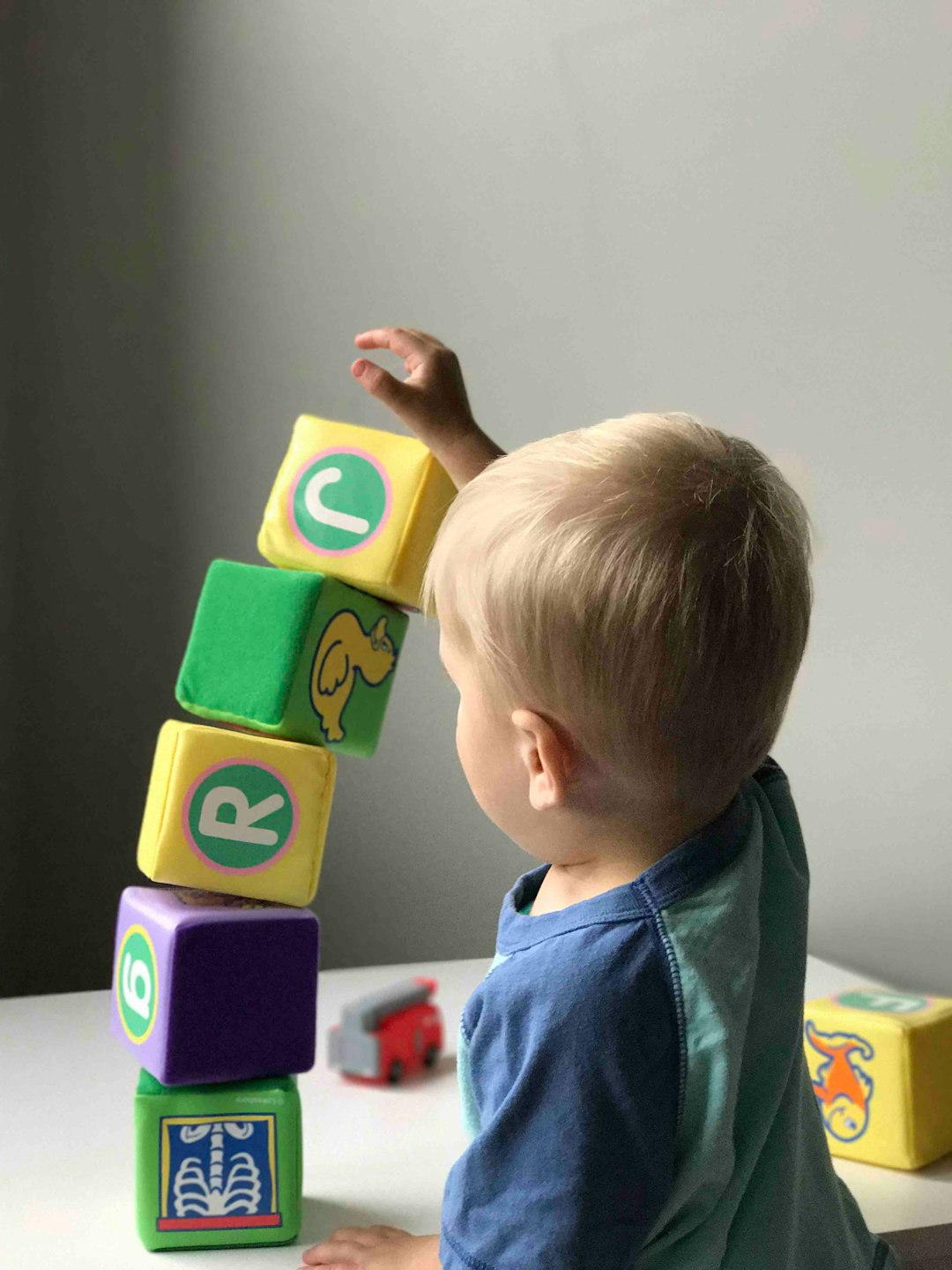
- Cause and Effect: Give them small blocks or toys they can grasp, drop, and pick up. React positively when they engage, helping them understand cause and effect.
- Interactive Toys: Use toys that make sounds or light up when touched to build confidence and curiosity.
- Tummy Time: Place them on their tummy with soft pillows and toys to encourage rolling and strengthen neck and shoulder muscles.
- Family Album: Show photos of loved ones and name them to help your baby recognize faces.
- Outdoor Adventures: Take your baby on walks to expose them to different sounds, sights, and fresh air.
6-12 Months: Advanced Learning and Interaction
By this stage, your baby’s motor and cognitive skills are more refined. They start standing with support, babbling, and responding to simple words. Games that challenge their problem-solving abilities and encourage speech are ideal.
Activities to Try:
- Peek-a-Boo and Hide-and-Seek: These games help develop object permanence and build trust and anticipation.
- Name Recognition: Introduce new objects, name them, and encourage your baby to repeat the words.
- Noisy Containers: Fill containers with toys and let your baby shake them or spill the contents. This improves hand-eye coordination and cognitive skills.
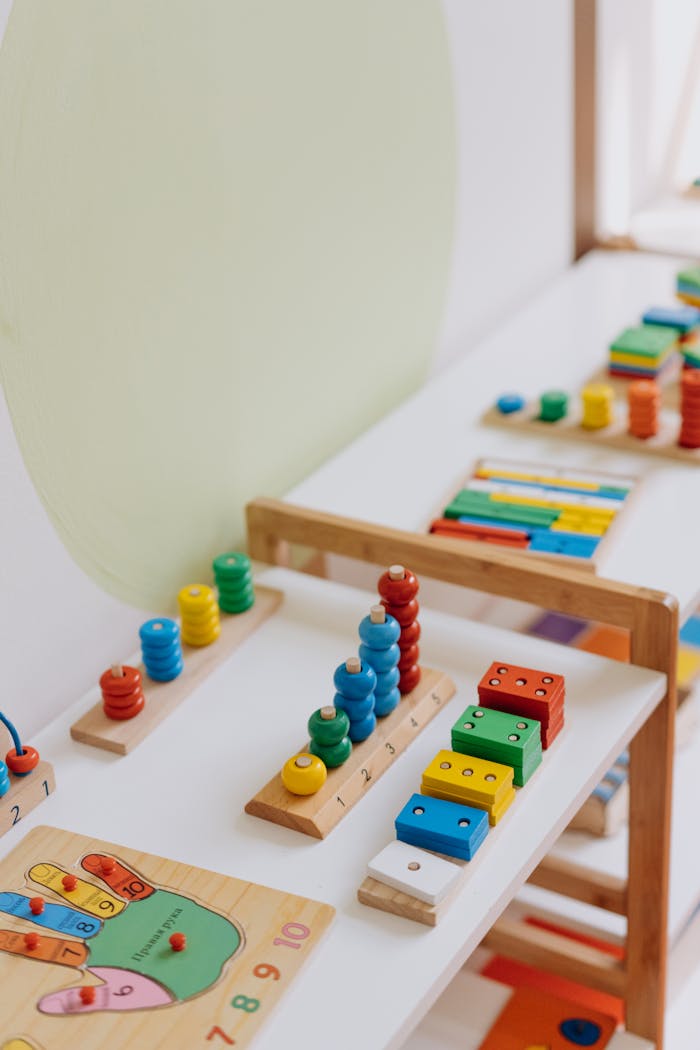
- Stacking Games: Provide blocks or stacking toys to refine fine motor skills and spatial awareness.
- Dancing and Singing: Play music and dance with your baby to improve rhythm and coordination.
- Storytime: Read picture books with simple stories to expand vocabulary and comprehension.
Why Play Matters
Engaging in these activities not only strengthens your bond with your child but also aids in:
- Enhancing cognitive and motor skills.
- Improving decision-making abilities.
- Encouraging creativity and exploration.
- Developing language and social skills.
The Magic of Early Intervention
Research shows that 80% of a child’s brain development occurs before the age of three. By dedicating just a few minutes each day to these games and activities, you can nurture their inherent potential and set the stage for lifelong learning and growth.
Start early, stay consistent, and watch your baby thrive. Every small effort you make today will pave the way for a brighter tomorrow for your little one.